What a two-flat really costs to run, line by line
The rent from the other unit is the headline. Taxes, the boiler and the porch are the footnotes that decide whether it works.
By Dev Raman · Nov 12, 2026 · 6 min read
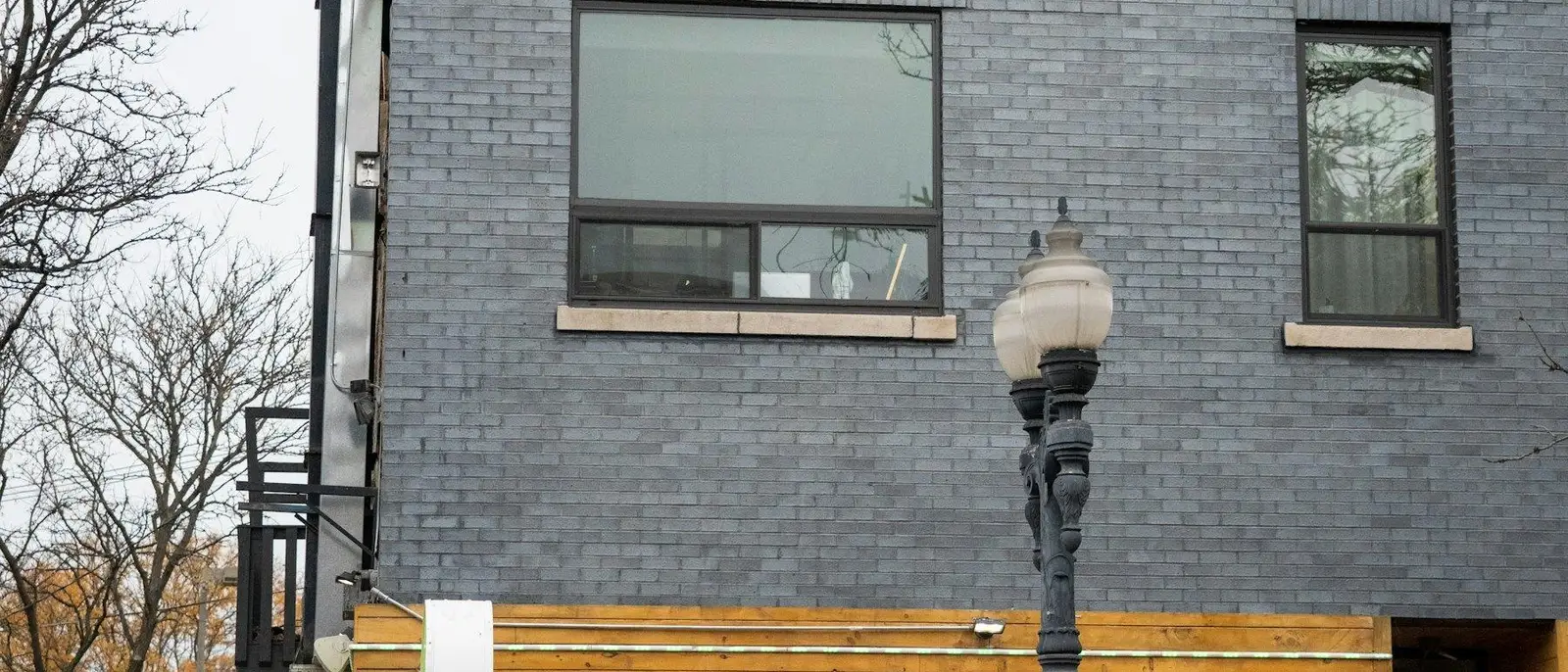
Every week someone asks us whether the rent from the second unit will “cover the mortgage.” Sometimes it covers half. Here is how we run the numbers on a two-flat before anyone writes an offer, using a sample $725,000 brick building in Avondale with one unit rented at $2,350 a month.
1. Principal and interest
At 20% down ($145,000) the loan is $580,000. At a 7.28% rate over 30 years, that comes to about $3,968 a month in principal and interest. The calculator on every Gangway listing does this sum in exact cents; try it with your own rate.
2. Property tax
The sample building’s last Cook County bill was $10,450 a year, or about $871 a month. Two things to know. Cook County bills are paid in arrears, so at closing the seller credits you for the months they owned the building but haven’t paid for yet. And the county reassesses on a cycle, so check when this area was last reassessed before you trust last year’s bill.
3. Insurance
For a two-unit masonry building, budget about $2,400 a year. Get a real quote before attorney review ends.
4. The things that aren’t on the listing
This is where two-flats surprise people:
- Tuckpointing. Brick needs its mortar joints redone every few decades. A parapet or chimney can run $5,000 to $15,000.
- Boilers. Radiator heat is lovely and long-lived, but a boiler replacement is a five-figure job. Ask how old each one is.
- Porches. Chicago’s wooden back porches need permits when they’re rebuilt. Ask whether the last rebuild was permitted.
- Vacancy. Assume the unit sits empty for a month every couple of years.
We suggest setting aside 1 to 2% of the price a year for repairs on a building this age.
5. Put the rent back in
Add up 1 to 4 and subtract the $2,350 rent. On the sample building, the tenant covers a bit under half of principal, interest and taxes. That’s still a good deal for many buyers: you’re paying about what you’d pay for a condo, and building equity in two units. But it isn’t free housing, and anyone who tells you it is hasn’t owned a boiler.
What to ask for before you offer
The current leases, two years of utility bills, the age of each boiler and water heater, the roof’s age, any permits for porches, and whether the units have separate meters. If a seller can’t produce them, that’s information too.