Renting a vintage apartment: what Chicago's RLTO gives you
Most Chicago renters are protected by the Residential Landlord and Tenant Ordinance. Some aren't. Here's how to tell, and what it means for your deposit.
By Priya Nair · Nov 5, 2026 · 4 min read
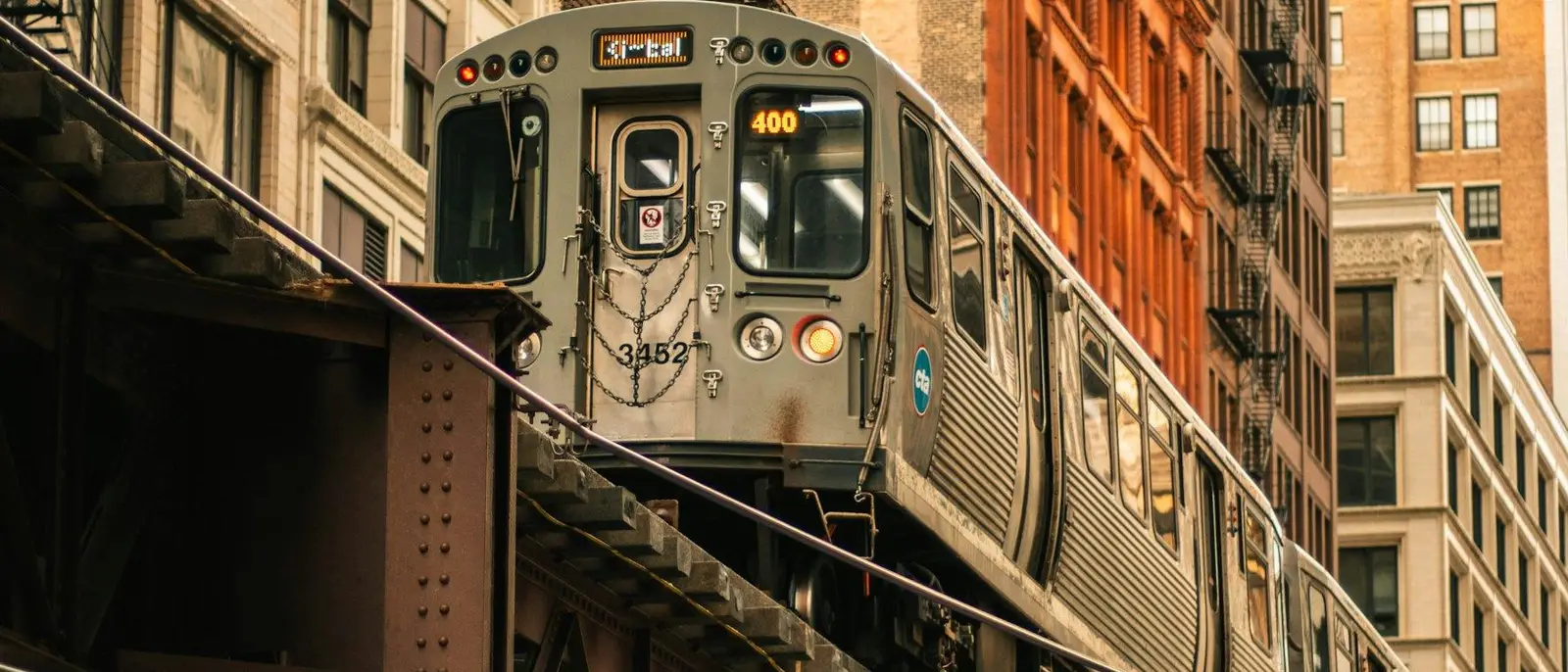
Chicago’s Residential Landlord and Tenant Ordinance (RLTO) sets the rules for most rentals in the city: how deposits are handled, how and when landlords can enter, how repairs are requested. Every Gangway rental listing says whether the RLTO applies.
Who isn’t covered
The big exception is owner-occupied buildings of six units or fewer. If the landlord lives in the two-flat you’re renting, most of the RLTO doesn’t apply, and your lease sets the terms. That’s not a reason to avoid those apartments (owner-occupied buildings are often very well kept), but read the lease carefully.
Deposits under the RLTO
Where the RLTO applies, the landlord has to:
- give you a receipt for the security deposit;
- keep it separate from their own money;
- pay you interest on it;
- return it, minus any itemized deductions, within 45 days after you move out.
Deposit or move-in fee?
Many Chicago buildings offer a move-in fee instead of a deposit: a smaller, non-refundable payment. For a one-year stay it’s often cheaper upfront. A deposit costs more at move-in but comes back, with interest, if you leave the place in good shape. We’ll lay out both for any building that offers the choice.
Heat included
In radiator buildings, the landlord usually pays for heat. In buildings with gas forced-air furnaces, you usually do. The difference in a Chicago winter is real money, so every Gangway rental listing says which.
Our rule
Before you sign anything, we’ll tell you the total move-in cost (rent, deposit or fee, pet fees, parking) in one number.